Soda blasting explained
What Is Soda Blasting?
Non-destructive blasting with sodium bicarbonate — it lifts the coating and leaves the substrate essentially untouched.
The short answer
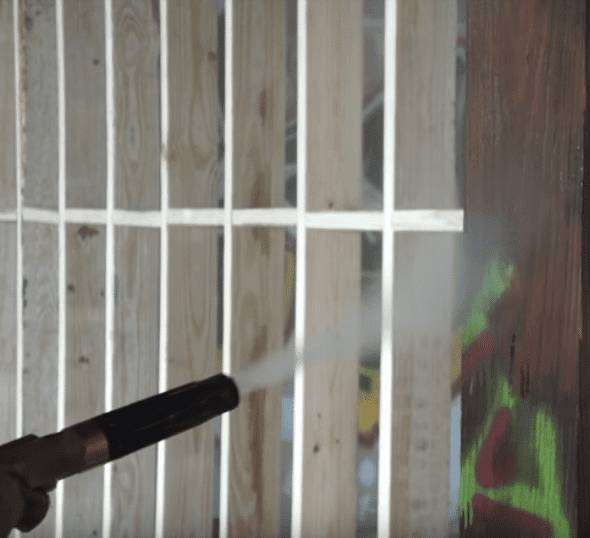
Soda blasting is abrasive blasting with sodium bicarbonate. The crystals shatter on impact, so the energy goes into breaking the coating rather than cutting the surface underneath. That makes it the setup for alloy, gelcoat, chrome, timber, glass and anything where profiling the substrate would ruin it.
How soda differs from every other media
Garnet, glass and slag work by cutting: each particle takes coating and a little substrate with it, which is how you get an anchor profile. Soda works by fracturing. The crystal explodes on contact and that energy release pops the coating off, but the substrate is barely touched.
The practical result is a stripped surface with its original texture intact. No profile is created — which is exactly what you want on chrome, polished alloy, gelcoat and glass, and exactly what you do not want if a heavy-duty coating system is going on afterwards.
What soda blasting suits
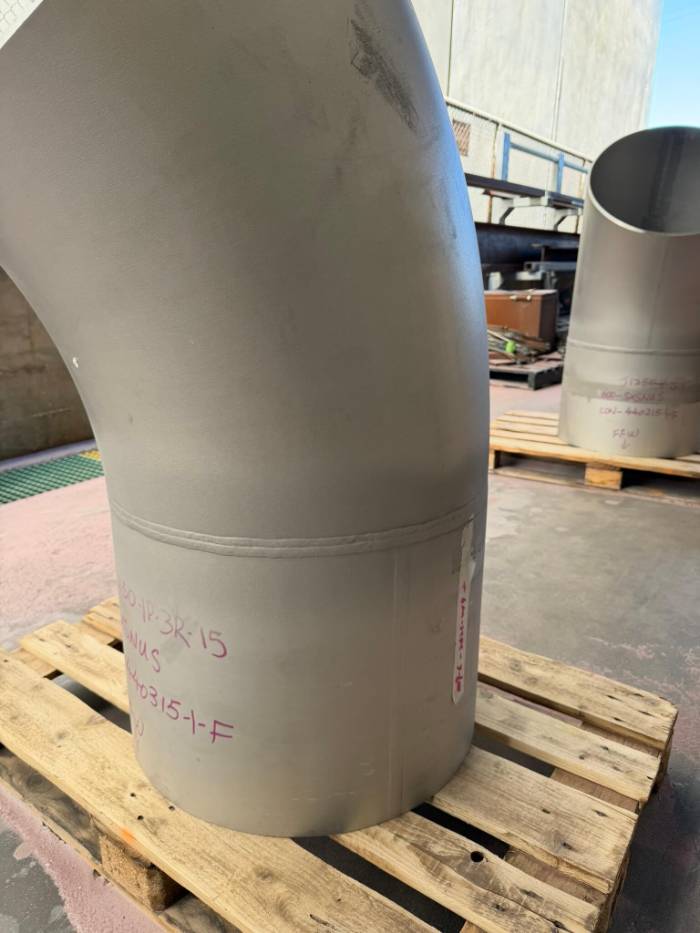
Aluminium and alloy panels, boat gelcoat, chrome and brightwork, timber joinery and furniture, glass, engine components and castings, brickwork and heritage masonry, and anything with thin sheet metal where distortion is the main risk.
It is also water-soluble, which makes clean-up straightforward on jobs where residual abrasive in a mechanism, bilge or bearing would be a problem.
Where soda is the wrong choice
If the next step is a high-build protective coating that specifies an anchor profile, soda alone will not get you there — the surface will be clean but smooth. Mill scale, thick two-pack and heavy rust also need a cutting media, not a fracturing one.
Soda residue is alkaline, so surfaces need a proper rinse before coating; some primers are unforgiving about it. We handle that as part of the job rather than leaving it for your painter to discover.
Soda, garnet or wet blasting?
Think of it as a ladder. Soda for substrates that must not be cut. Wet abrasive blasting for thin steel, masonry and occupied sites where a profile is wanted but dust and heat are not. Dry garnet for mill scale and heavy industrial coatings.
We carry all three, so the decision gets made on the substrate rather than on what happens to be in the pot. Choosing blasting media goes deeper.
Common questions
Soda blasting — your questions answered
Does soda blasting damage the surface underneath?
No, that is the point of it. Sodium bicarbonate fractures on impact rather than cutting, so coatings lift while the substrate keeps its original texture. It is the standard choice for alloy, gelcoat, chrome and timber.
Can soda blasting remove rust?
Light surface rust, yes. Heavy scale and pitted corrosion need a cutting media such as garnet, because soda will clean the surface without removing the rust that has bitten into it.
Can you paint straight after soda blasting?
After a proper rinse, yes — soda residue is alkaline and some primers will not tolerate it. Bear in mind soda leaves no anchor profile, so coating systems that specify one need a garnet pass instead.
Is soda blasting safe on aluminium and fibreglass?
Yes. Alloy panels and gelcoat are two of the main reasons soda exists — it strips the coating without cutting into the metal or bruising the gel layer.
Do you offer soda blasting on site?
Yes. Soda runs off the same mobile rig as our other setups, so we can work at your home, workshop, yard or hardstand across Perth and regional WA.
Keep reading
Soda vs sandblasting
When to fracture the coating and when to cut it — set side by side.
Soda blasting alloy & fibreglass
Panels, hulls and gelcoat stripped without distortion or bruising.
Choosing blasting media
Garnet, soda, glass — what each one cuts and what it leaves.
Written from our own jobs across Perth and WA · Last updated 20 August 2026