Substrates
Soda Blasting Aluminium & Fibreglass
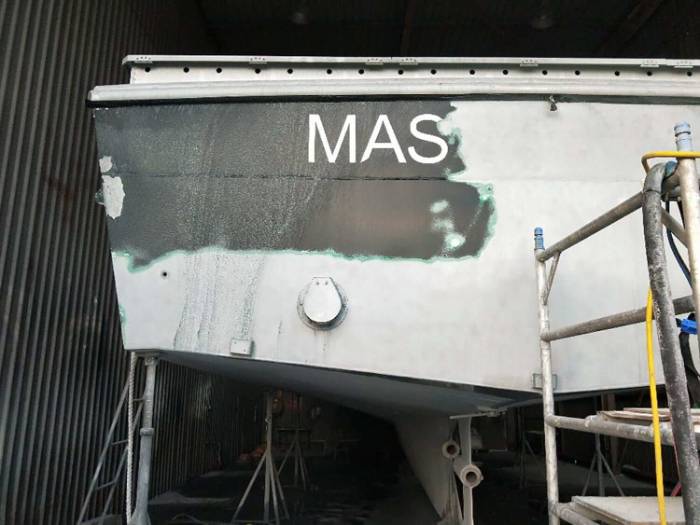
Alloy panels, alloy hulls and fibreglass gelcoat stripped back without distortion, cut marks or bruising.
The short answer
Soda blasting is the standard way to strip aluminium and fibreglass, because the media fractures on impact instead of cutting. Coating comes off, the alloy keeps its thickness and shape, and gelcoat keeps its surface — no warping, no scoring, no bruising.
Why aluminium is unforgiving
Alloy is soft and usually thin. A hard abrasive at working pressure will cut into it, leaving a rough surface that has to be filled or polished back, and the heat from dry blasting is enough to distort a panel permanently.
Soda avoids both problems. There is no cutting action to remove metal and very little heat, so a bonnet, a boat hull side or an alloy tray comes back clean and flat.
Fibreglass and gelcoat
Gelcoat is a thin decorative and waterproofing layer over laminate. Cut through it and you are into the glass, which means fairing and re-gelling — expensive, and visible. Soda removes anti-foul, paint and old coatings while leaving the gel intact.
On boats this is the difference between stripping a hull and rebuilding one. Where the vessel is steel rather than GRP, see marine sandblasting.
What we can strip
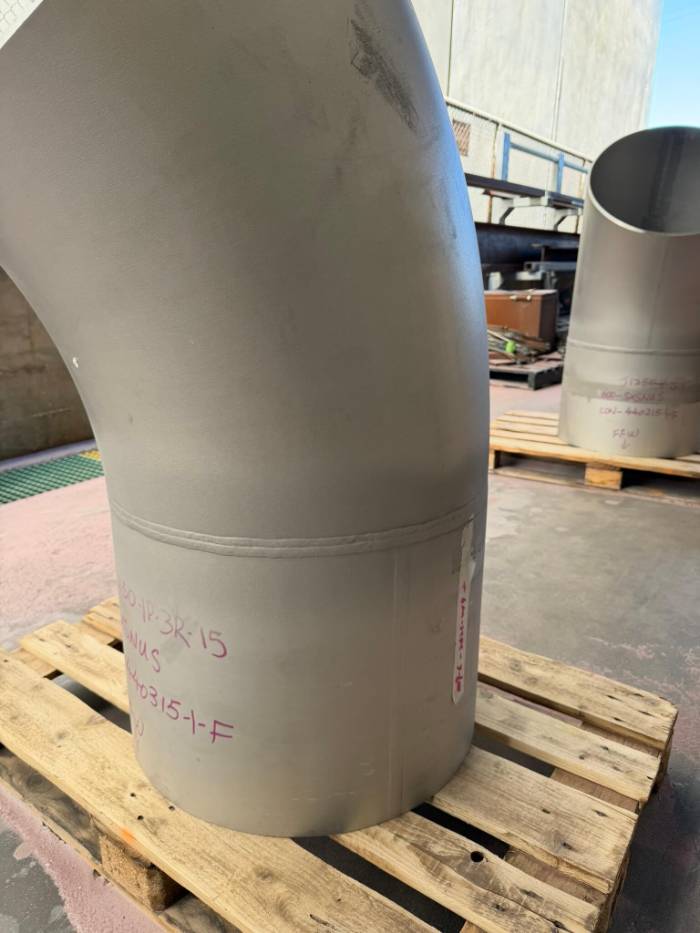
Alloy boat hulls and interiors, alloy trays and canopies, marine gelcoat and anti-foul, alloy wheels, motorcycle and engine components, castings, alloy window and door frames, chrome and brightwork, and fibreglass panels and mouldings.
Anything with bearings, threads or mechanisms benefits from soda being water-soluble — residual media rinses out instead of staying in the assembly.
What happens after stripping
Soda leaves the surface clean but unprofiled, and slightly alkaline. We rinse thoroughly as part of the job. If the plan is a coating system that specifies an anchor profile, tell us at quote stage — on alloy we can achieve profile with a fine media at low pressure instead, which is a different setup and a different price.
Common questions
Alloy & fibreglass — your questions answered
Will blasting warp my aluminium panel?
Not with soda — there is no cutting action and very little heat, which are the two things that distort alloy. Dry garnet blasting on thin alloy is what causes the warping people worry about.
Can you strip anti-foul off a fibreglass hull?
Yes. Soda lifts anti-foul and old coatings while leaving the gelcoat intact, which is the whole reason to use it rather than a cutting abrasive on GRP.
Can you soda blast alloy wheels?
Yes, including the hubs and fittings. Wheels are a common job — we mask the tyres, strip the rims and hand them back ready for coating.
Is it safe around bearings and mechanisms?
Safer than most alternatives, because soda is water-soluble. Any residue that finds its way into an assembly rinses out rather than staying in as grit.
Written from our own jobs across Perth and WA · Last updated 20 August 2026