Mining Equipment sandblasting · Perth & WA
Mining Equipment Sandblasting WA
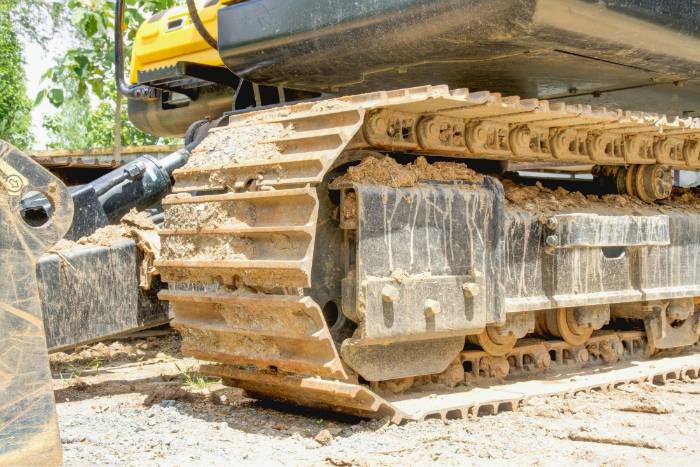
Buckets, attachments, undercarriage and fixed plant stripped of coating, scale and build-up — ready for weld inspection or a new coating system.
In short
We blast mining plant to a clean, inspectable surface — for NDT, welding or recoat. Work happens at your workshop, laydown yard or site, and we sequence around your shutdown or maintenance window rather than the other way around.
What comes off
Two-pack, primer, mill scale, iron ore fines, hydraulic residue and the rust that sits under all of it. Blasting is usually the first step before NDT, a wear-plate change or a full recoat.
We work in your workshop, in a laydown yard or at the wash bay. Wet media keeps the abrasive on the ground and out of the air, which matters when other crews are working alongside.
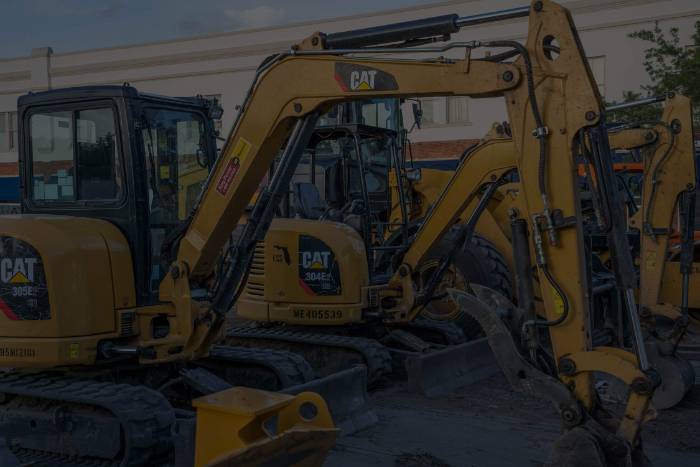
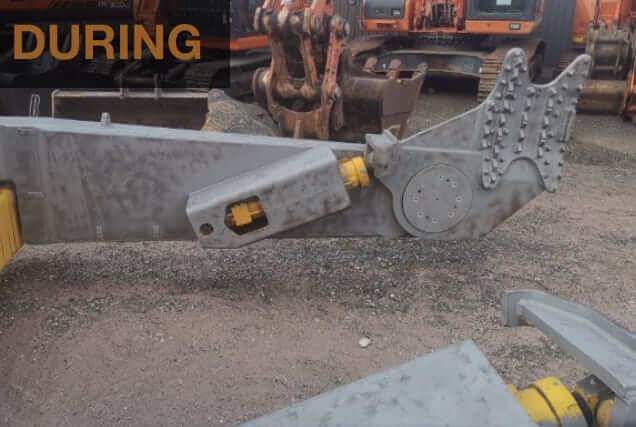
Prep for inspection and welding
A crack you cannot see is a crack you cannot fix. Blasting removes coating and scale so weld toes, wear plate seams and structural members can be inspected properly, and gives the welder clean steel to work into.
Where the priority is speed rather than a full strip, we can bring the surface to a sound, sweep-blasted state instead — enough for a maintenance coat without stripping to white metal.
Coating systems that survive site
Mine-site coating specs are demanding for a reason. Profile, cleanliness and salt contamination all decide whether the system lasts a season or three years. We blast to the profile your spec calls for and hand over a surface your painter can sign off. See profile and prep standards for the detail.
Shutdowns and access
Most of this work is time-boxed. Tell us the window and we plan the crew, media and containment around it. The rig is self-contained — we bring water, media, power and containment, so we are not competing for your services on site.
Working to a shutdown, not to a calendar
The window is the job
On operating sites the constraint is rarely the blasting — it is the window. Equipment comes out of service at a set hour and goes back at a set hour, and the surface preparation, inspection and first coat all have to fit inside it. We plan backwards from the handover time, and we would rather quote a realistic staged approach than promise a window we would blow.
Access, inductions and permits
Site inductions, permits to work, isolation and confined-space paperwork all take time that has to be in the plan. Tell us at quote stage which site, which contractor system and what the induction requires, and we build it into the schedule rather than discovering it at the gate.
Prepping for inspection versus prepping for coating
Cleaning a weld for NDT and preparing a surface for a coating system are two different specifications. Inspection work wants contaminant and coating gone with the parent metal undisturbed; coating work wants a defined profile the system can key into. Say which one you need — the standard is what we blast to, and surface profile and standards explains the grades.
Containment on a working site
Wet blasting keeps spent media at the base of the work rather than airborne across a live area, which is usually what makes blasting possible near operating plant at all. Media and removed coating are collected for disposal.
How the job runs
Scope and spec
Components, the standard you need, and whether the surface is going to NDT, weld or paint.
Contain
Tarps and screens set, adjacent equipment and hydraulics protected, media capture set up.
Blast
Dry or wet depending on the component and the environment, to the profile in your spec.
Hand over
Surfaces rinsed where wet, inhibitor applied to bare steel, photos issued for your records.
Recent jobs
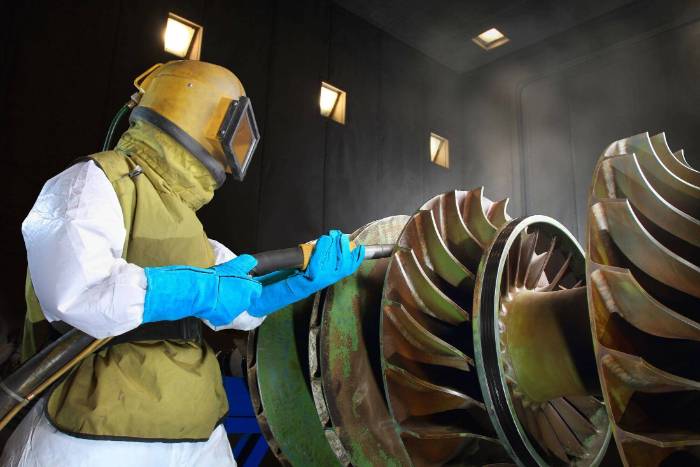
Real work from around Perth and regional WA. Every photo on this page is one of ours.

Where we do this work
Mobile across the Perth metro at our standard rate, regional WA in batched trips. See before and after photos of this work.
Common questions
Mining Equipment sandblasting — your questions answered
Can you blast on site or does it come to you?
Either. The rig is fully mobile and self-contained, so we work at your workshop, a laydown yard or on site. Larger components are often easier for us to come to than for you to freight.
Can you blast to a specified standard?
Yes. Tell us the standard and profile your coating system calls for and we will blast to it, then hand over photos and a description of the finish for your records.
Do you work around shutdowns?
Yes, including nights and weekends where the window demands it. We bring our own water, media, power and containment so we are not drawing on site services.
Can you work during a shutdown or after hours?
Yes. Shutdown work is normal for plant and mining equipment, and it usually has to be — the window is set by production, not by us. Give us the start and finish times at quote stage.
Can you blast on a live site without shutting production down?
Often, yes, using wet blasting and containment so the surrounding area stays workable. It depends on proximity, the site's own rules and what is downwind. We look at the specific location before committing.
What standard do you blast to for recoat?
Whatever the coating system specifies. Most industrial systems call for a defined cleanliness grade and profile range; tell us the product data sheet and we prepare to it rather than to a general finish.
What to tell us at quote stage
On site work, most of the cost and most of the risk sit in these five answers, not in the blasting itself.
- The site and the induction system, and how long induction takes
- The shutdown window — the hour it comes out of service and the hour it goes back
- Whether the item is being prepared for inspection or for a coating system, and which one
- Permit requirements: isolation, hot work, confined space, working at height
- What is adjacent and downwind, because that determines the containment approach
Related services and areas
Fixed & mobile plant
Cranes, conveyors, structures and pipework prepped in place.
Transport sandblasting
Trucks, trailers, ute trays and rolling stock stripped and prepped.
Sandblasting Kalgoorlie
Regional coverage, travel and access for Goldfields work.
Last updated 20 August 2026