
Wet vs dry
Wet Blasting vs Dry Blasting
Same abrasive, same compressor, one difference: whether water joins the stream. That one difference decides where the job can happen and what it leaves behind.
The short answer
Wet blasting injects water into the abrasive stream, so there is no dust plume and the surface stays cool — best for occupied sites, thin panel, masonry and boatyards. Dry blasting fires abrasive dry, so it is faster and more aggressive — best for mill scale, thick industrial coatings, tank interiors and coatings that cannot tolerate moisture. Neither is better overall; the substrate and the site decide.
How each one works
Both use compressed air to accelerate abrasive at a surface. In a dry setup the abrasive arrives dry, hits hard and shatters, and the resulting fines become airborne — which is why dry blasting needs containment, extraction or an enclosure.
In a wet setup water is introduced at the nozzle. The abrasive still cuts, but the fines are wetted on impact and drop straight down, and the water pulls heat out of the surface as it works.
Where wet blasting wins
Occupied and shared sites. Houses with people in them, shop fronts, boatyards with vessels either side, plants where other trades are working. No plume means nobody has to be relocated.
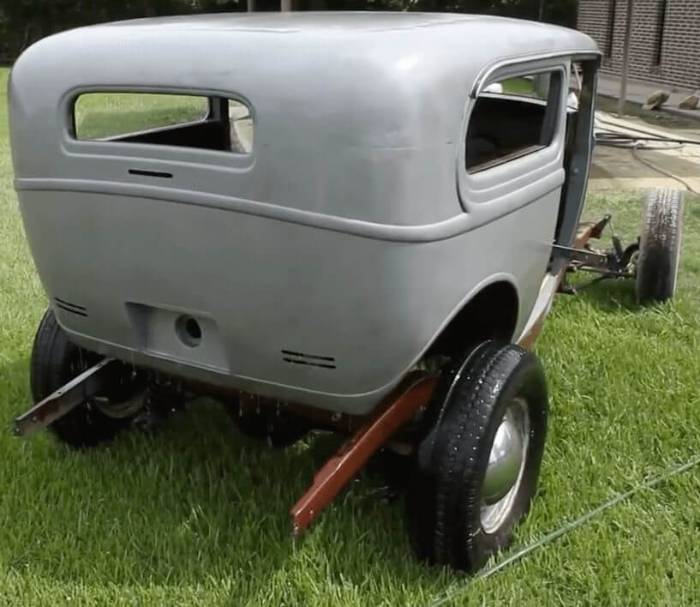
Thin and heat-sensitive substrates. Car panels, alloy, ute trays, tanks — the cooling effect is what stops oil-canning.
Masonry, timber and heritage. Lower pressure with a softer media lifts coating without eroding the face.
Clean-up. Spent media stays where it fell and is collected rather than chased across a yard.
Where dry blasting wins
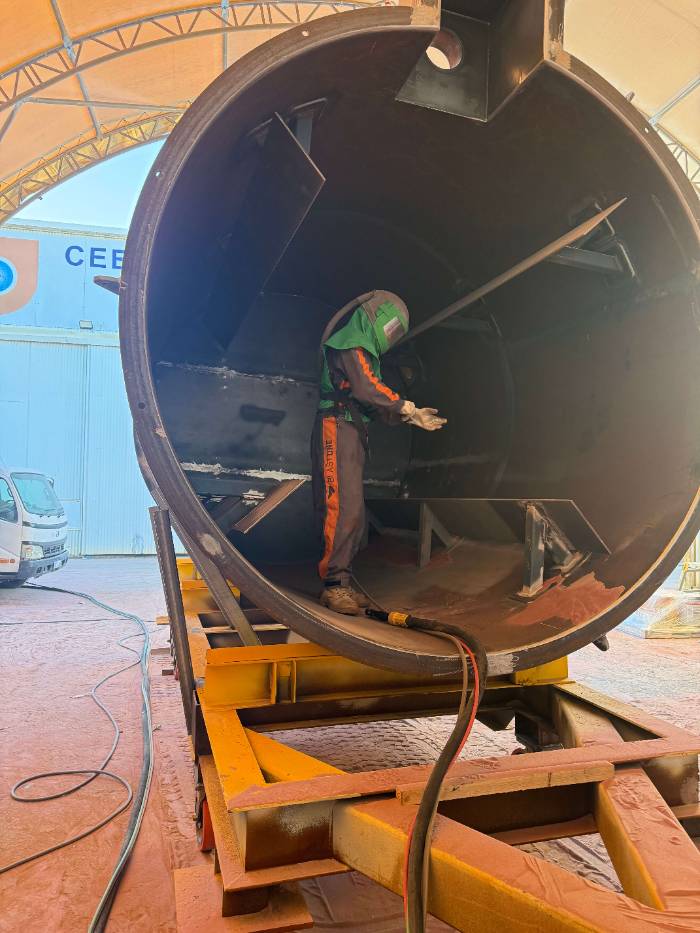
Mill scale and heavy industrial coatings. Dry is simply faster and hits harder, which matters on structural steel and plate by the tonne.
Tank and vessel interiors. Confined spaces where introducing water creates more problems than it solves.
Moisture-sensitive coating systems. Some specifications will not accept a surface that has been wetted, full stop.
Immediate recoat. No rinse, no drying, no flash-rust window to manage — the surface can go straight into primer.
What it costs you to pick wrong
Dry blasting a car panel warps it, and a warped panel does not come back. Dry blasting on an occupied street means abrasive in the neighbour’s pool filter. Wet blasting a moisture-sensitive system means a coating failure that shows up months later, on somebody else’s watch.
This is the practical reason we carry both. An operator who owns one setup will recommend that setup, because the alternative is turning work away.
| Wet blasting | Dry blasting | |
|---|---|---|
| Airborne dust | None — fines drop at the work face | Significant plume; needs containment |
| Surface temperature | Stays cool | Heats locally |
| Thin panel and alloy | Suits it — no warping | Risk of oil-canning |
| Mill scale and thick coatings | Capable | Faster and more aggressive |
| Masonry and timber | Suits it at low pressure | Aggressive; easy to over-cut |
| Occupied and shared sites | Workable alongside others | Usually needs the area cleared |
| Flash rust | Expected; inhibitor applied | Not an issue |
| Clean-up | Wet media, swept and collected | Airborne fines settle widely |
| Tank interiors | Water adds complications | Preferred |
| Best for | Panels, hulls, brick, live sites | Structural steel, plate, interiors |
Common questions
Wet vs dry blasting — your questions answered
Which is better, wet or dry blasting?
Neither, in the abstract. Wet wins on occupied sites, thin panel, masonry and boatyards because there is no plume and no heat. Dry wins on mill scale, thick industrial coatings, tank interiors and moisture-sensitive coating systems because it is faster and leaves the surface dry.
Is dustless blasting the same as wet blasting?
Yes. Dustless blasting is the common trade name for wet abrasive blasting — water injected into the abrasive stream so the fines fall instead of drifting.
Does wet blasting leave the surface wet and rusty?
Bare steel will flash rust — a light surface bloom, not corrosion into the section. We rinse and apply an inhibitor at handover, which holds the surface overnight so coating can follow the next morning.
Is dry blasting faster?
On heavy coatings and mill scale, yes. On thin panel, masonry or a live site, the time saved is usually lost again to containment, masking, relocating people and repairing what got over-cut.
Can you switch between the two on one job?
Yes, and we often do — dry on the heavy structural sections, wet on the thin panel or the elevations closest to neighbours. We carry both setups on the rig.
Written from our own jobs across Perth and WA · Last updated 20 August 2026