Fire Damage & Cleanup sandblasting · Perth & WA
Fire Damage Sandblasting & Cleanup
Soot and char removed from structural steel, brick and concrete — so the structure can be assessed, repaired and repainted.
In short
Soot and char come off, so the structure can be inspected and recoated properly. Painting over fire residue traps the smell and the contamination, and hides exactly the damage an engineer needs to see.
What comes off
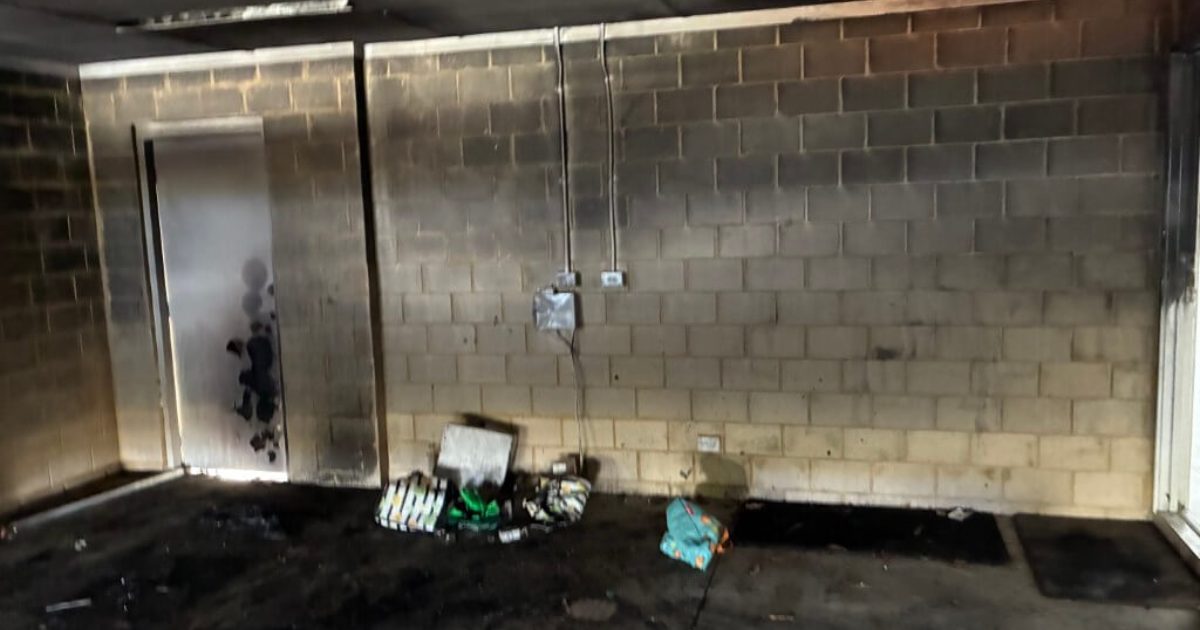
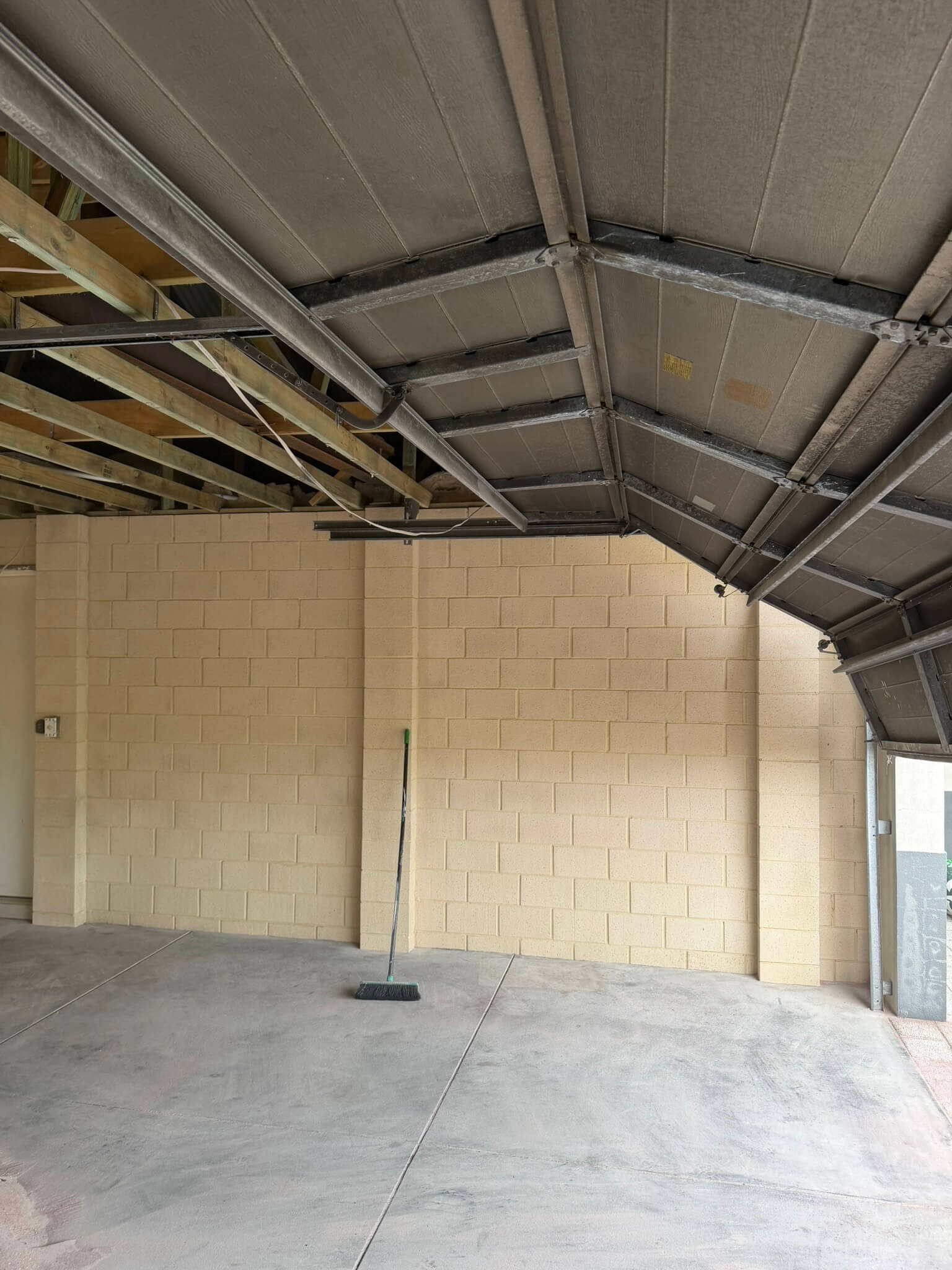
Soot, char, smoke staining, scorched coating and the residue that keeps the smell in a building long after the fire is out. On steel we take it back to sound metal; on brick and concrete we remove the blackened surface layer rather than sealing over it.
Blasting also makes assessment possible. Charred, blackened steel hides distortion, cracked welds and section loss that an engineer needs to see before signing anything off.
Why you cannot just paint over it
Fire residue is acidic and it keeps working on steel long after the event. Sealed under a new coating it continues to corrode, and the smoke odour stays in the fabric of the building because the source is still there.
Removing the residue is what makes the repair permanent rather than cosmetic.
Making the damage visible
Blackened steel all looks the same. Once it is clean, buckled members, heat-affected welds, spalled concrete and section loss are all obvious, and your engineer or insurer can scope the repair against what is actually there.
We photograph what the blast reveals and hand the images over for the claim file.
Insurance and make-good work
Most of this work sits inside an insurance or make-good process, which means documentation matters as much as the blasting. We scope it clearly, work to the sequence your builder needs, and issue before-and-after photos of each area.
How the job runs
Assessment
Extent of soot and char, substrates involved, and what your engineer or insurer needs recorded.
Contain
Unaffected areas sealed off, drains protected, residue capture set up.
Blast
Steel back to sound metal, masonry to clean substrate, pressure matched to each.
Document and hand over
Inhibitor on bare steel, area cleared, before-and-after photos issued for the claim.
Soot, char and what the assessor needs to see
Cleaning back for assessment
After a fire, structural steel cannot be assessed while it is black. Removing soot and char exposes the parent metal so distortion, section loss and heat-affected zones can be seen and measured. That inspection drives the repair scope, so the cleaning usually needs to happen before anyone can price the rebuild.
Smoke residue is acidic
Combustion residue holds chlorides and other acidic compounds that keep attacking steel and masonry long after the fire is out. Leaving it in place while insurance and scoping run their course adds corrosion damage to fire damage. Getting surfaces clean early limits the secondary loss.
Odour in porous materials
Smoke smell lives in the pores of brick, concrete and timber, not on the surface. Sealing over it traps it; removing the contaminated surface layer takes it away. Blasting is the practical method on masonry and structural timber where washing cannot reach.
Working with insurers and builders
Fire jobs run to a scope agreed between the owner, the insurer and the builder, and the sequence matters — clean, inspect, repair, coat. We work to that sequence and document what the surface looked like once it was clean.
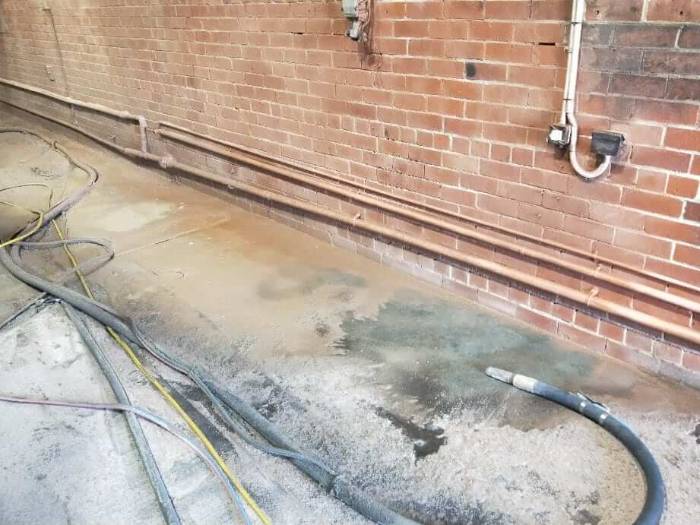
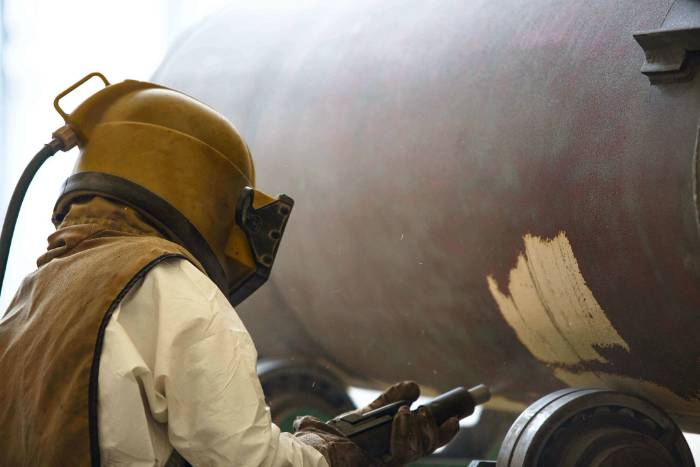
Note: the photographs on this page are from structural steel and masonry work rather than fire jobs specifically.
Recent jobs
Real work from around Perth and regional WA. Every photo on this page is one of ours.

Where we do this work
Mobile across the Perth metro at our standard rate, regional WA in batched trips. See before and after photos of this work.
Common questions
Fire Damage & Cleanup sandblasting — your questions answered
Can you remove smoke smell from a building?
Blasting removes the soot and char that hold the odour on structural surfaces, which is usually the main source. Porous linings and soft furnishings are a separate trade — we handle the structure.
Will blasting show us the structural damage?
That is one of the reasons to do it. Clean steel makes buckling, heat-affected welds and section loss visible for your engineer, and we photograph what we uncover for the claim file.
Do you work with builders and insurers?
Yes. Most fire work sits inside a make-good or insurance process, so we scope clearly, work to your builder’s sequence and issue before-and-after photos of every area.
Can you remove smoke smell from brick and concrete?
Usually, yes. Odour sits in the pores rather than on the face, so removing the contaminated surface layer is more effective than sealing over it. Deeply saturated material may need more than one pass.
Should we clean before or after the insurance assessment?
Ask your insurer, but be aware that steel cannot be properly assessed while it is coated in soot, and acidic residue keeps causing damage while it sits. Many scopes include cleaning specifically so the inspection can happen.
Can you clean fire-damaged steel without weakening it?
Yes. Abrasive cleaning removes residue and loose scale; it does not remove sound parent metal. Any section loss you can see afterwards was caused by the fire or by corrosion, and it is what the structural assessment needs to find.
The order of works on a fire job
Sequence matters more here than on any other job we do.
- Make safe and document the scene with the insurer and builder
- Remove soot, char and acidic residue so the parent material is visible
- Structural assessment — section loss, distortion and heat-affected zones can only be measured on clean steel
- Repair or replace to the assessed scope
- Prepare and coat, with the surface protected between blast and first coat
Related services and areas
Construction sandblasting
Brick, concrete, render and timber stripped back on site.
Fixed & mobile plant
Structural steel and pipework prepped in place for recoating.
Sandblasting Perth
Coverage, travel and access across the Perth metro area.
Last updated 20 August 2026