
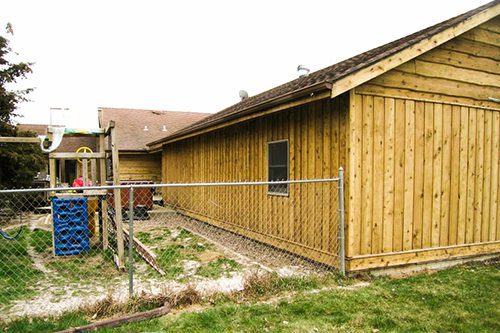
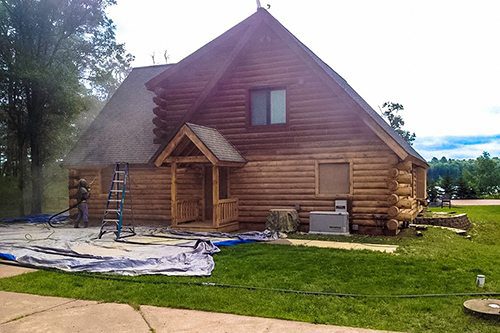
Quick Answer: Wood restoration is the process of removing old paint, stains, weathered finishes and surface build-up from suitable timber to help restore its appearance and prepare it for refinishing. Dustless Blasting Services uses controlled blasting techniques to strip appropriate wooden surfaces efficiently, creating a cleaner foundation for repairs, sanding, staining, painting, sealing or other protective finishes.
Wood Restoration
Professional wood restoration can revitalise ageing, painted or weathered timber by removing deteriorated surface coatings and preparing the underlying wood for its next finish. Over time, exposure to sunlight, moisture and changing weather conditions can cause paint, stains and protective coatings to fade, peel or deteriorate, affecting both the appearance and condition of wooden surfaces.
For suitable restoration projects, controlled abrasive blasting can provide an efficient alternative to extensive manual scraping and sanding. The process can remove layers of old paint and coatings while reaching timber grain, grooves, corners and textured areas that may be difficult to prepare using conventional methods alone.
Dustless Blasting Services provides wood restoration and surface preparation for suitable timber structures and architectural features. Each project requires careful consideration of the timber species, hardness, age and condition to determine an appropriate blasting approach and prepare the wood for subsequent repairs, refinishing or protective treatments.

Client Testimonials
Your dustless blasting service saved me big time! Ken I think your too cheap because the sand blasters use to charge me double the amount. Telling all the boys about your service so I hope it helps. All the best and I will be in touch again soon. Thanks again!
Hi Ken, Slightly concerned but I am very pleased we went through with the job. Now convinced this is the only way to remove graffiti at an affordable rate. I think local council needs to hear about your Dustless Blasting Service Ken? all the best and thanks again.
We no longer Sand Blast in house, we get Ken in to do it all. Dustless Blasting is really amazing how there is no dust and you can blast anything anywhere. Dustless blasting saves us time so we make more money. Awesome CHEERS!
How Does the Wood Restoration Process Work?
The wood restoration process begins with an assessment of the timber and the existing surface finish. Factors such as the wood’s age, hardness, condition and the type of paint or coating being removed help determine whether abrasive blasting is appropriate for the project.
Where suitable, specialised blasting equipment is configured with the appropriate abrasive media, pressure and application technique. The blasting stream is carefully directed across the timber to progressively remove unwanted paint, stains or deteriorated coatings.
Because timber is generally softer than materials such as steel, concrete and masonry, careful control is essential. The technique may need to be adjusted throughout the project to account for variations in the timber and coating.
After stripping, the exposed wood can be inspected for deterioration or areas requiring repair. Depending on the desired result, further preparation may include drying, light sanding, repairs and cleaning before the timber is stained, painted, sealed or otherwise refinished.
Who Is Wood Restoration Best For?
Wood restoration is suitable for property owners, renovators, builders, restoration professionals and businesses looking to revitalise appropriate timber surfaces rather than simply covering ageing or deteriorated finishes with another coating.
The service may be suitable for timber structures, wooden beams, fencing, architectural timber features and other appropriate wood surfaces where old paint, stains or coatings need to be removed.
It can be particularly beneficial for larger surfaces or detailed timber where extensive manual scraping and sanding would be time-consuming. Blasting may also help reach textured areas, grooves and irregular surfaces that are difficult to access with conventional sanding equipment.
Because different timber species and surfaces respond differently to abrasive blasting, each restoration project should be assessed individually before determining the most appropriate preparation method.
Why Is Wood Restoration Important?
Restoring timber can help preserve its character, improve its appearance and create an appropriately prepared surface for a new protective finish. When paint, stains and other coatings begin to peel or deteriorate, simply applying another coating over the top may result in an uneven finish or poor adhesion.
Removing deteriorated coatings exposes the underlying timber, allowing its condition to be assessed before further restoration work begins. This can reveal weathering, deterioration and other areas that may require attention.
Proper surface preparation is also an important step when repainting, staining or sealing timber. Starting with a clean and appropriately prepared surface can help the new finishing system perform as intended.
For renovation and restoration projects, stripping ageing coatings can also uncover the natural grain and character of timber that may have been hidden beneath multiple layers of paint.
Key Benefits of Wood Restoration
- Revitalises ageing timber: Helps restore the appearance of suitable weathered, painted or coated wooden surfaces.
- Removes old coatings: Strips appropriate paint, stains and deteriorated finishes before refinishing.
- Reveals natural timber: Removing old coatings can expose the original grain, texture and character of the underlying wood.
- Prepares surfaces for refinishing: Creates a cleaner foundation for sanding, staining, painting, sealing or protective treatments.
- Reaches difficult areas: Blasting can access grooves, corners, textured surfaces and architectural details that may be difficult to prepare mechanically.
- Reduces manual stripping: For suitable projects, blasting can reduce the extensive scraping and sanding required to remove multiple coating layers.
- Supports thorough restoration: Exposing the underlying timber allows its condition to be more clearly assessed before repairs and refinishing.
- Versatile applications: Can be considered for a variety of suitable timber structures, features and restoration projects.
Why Choose Dustless Blasting Services for Wood Restoration?
Dustless Blasting Services provides professional wood restoration and surface preparation solutions tailored to suitable timber surfaces. We recognise that restoring wood requires a careful approach because timber can vary significantly in hardness, age, condition and response to abrasive blasting.
Rather than treating every surface the same way, we assess the timber and existing coating to determine an appropriate blasting approach. Careful selection of abrasive media, pressure and technique helps control the stripping process while preparing suitable wood for the next stage of restoration.
Whether you are removing layers of ageing paint, revitalising weathered timber or preparing architectural woodwork for a new finish, Dustless Blasting Services can help simplify the initial stripping and preparation process.
Our goal is to provide an efficiently prepared surface that gives you a solid starting point for subsequent repairs, sanding, staining, painting or protective finishing.
Frequently Asked Questions About Wood Restoration
Can old paint be removed from timber during wood restoration?
Yes. Controlled abrasive blasting can remove many types of old paint and coatings from suitable timber surfaces. Because wood is relatively soft, the blasting media, pressure and technique must be carefully selected according to the timber and coating involved.
What types of timber surfaces can be restored?
Potential applications include suitable timber structures, wooden beams, fencing and architectural features. Whether blasting is appropriate depends on the timber species, hardness, age and condition, as well as the type and thickness of the existing coating.
Will blasting damage the natural wood grain?
Abrasive blasting can alter the surface texture of timber if the process is too aggressive. Appropriate pressure, media selection and operator technique are therefore important. The desired final appearance should also be considered, as some projects may require additional sanding after the initial stripping process.
Is wood restoration better than replacing old timber?
Restoration may be a practical option when the underlying timber remains in suitable condition and has aesthetic, architectural or functional value. However, severely deteriorated, rotten or structurally compromised timber may require repair or replacement. Removing old coatings can help reveal the condition of the wood for further assessment.
What happens after the wood has been stripped?
After stripping, the timber should be inspected and allowed to reach an appropriate moisture level where water has been used during the process. Further preparation may include repairs, cleaning and sanding before applying a suitable stain, paint, sealer or protective finish.
Contact Dustless Blasting Services
Contact Tim to learn more about Dustless Blasting Services dry & wet abrasive blasting services in Perth and across Western Australia.